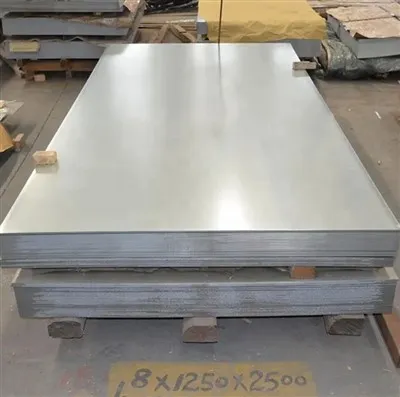
Hey there! As a supplier of carbon steel coils, I often get asked about how to check the quality of galvanized carbon steel coils. It's a crucial step, whether you're a contractor, a manufacturer, or just someone looking to use these coils for a DIY project. In this blog, I'll share some practical tips and methods to help you ensure you're getting top - notch galvanized carbon steel coils.
Visual Inspection
The first and easiest way to start checking the quality is through a visual inspection. When you first receive the coil, take a good look at its surface.
- Uniformity of Coating: A high - quality galvanized carbon steel coil should have a uniform zinc coating. If you see areas where the coating looks thicker or thinner, it could be a sign of a poor galvanizing process. Uneven coating can lead to inconsistent corrosion resistance across the coil. For example, thinner areas might rust faster, which is definitely not what you want.
- Color and Appearance: The color of a well - galvanized coil is usually a shiny, silver - gray. If the coil has a dull or blackish appearance in some spots, it could indicate issues like over - heating during the galvanizing process or contamination. Also, look for any signs of blisters, cracks, or peeling on the surface. Blisters can form due to improper cleaning of the steel before galvanizing, and cracks or peeling can compromise the long - term corrosion protection.
Thickness Measurement
The thickness of the galvanized coating is a key factor in determining the quality and durability of the coil. You can use a coating thickness gauge to measure this.
- Proper Equipment: There are different types of coating thickness gauges available, such as magnetic induction gauges for ferrous substrates (like carbon steel) and eddy - current gauges for non - ferrous substrates. Make sure you use the right type for your galvanized carbon steel coil.
- Multiple Measurements: Don't just take one measurement. Take several measurements at different points on the coil. This will give you a more accurate picture of the coating thickness across the entire surface. A consistent and appropriate thickness is a good sign of quality. Industry standards usually specify a minimum coating thickness based on the intended use of the coil. For outdoor applications where corrosion is a major concern, a thicker coating is often required.
Adhesion Test
The adhesion of the galvanized coating to the carbon steel substrate is crucial. A coating that doesn't adhere well will easily flake off, leaving the steel exposed to corrosion.
- Cross - Cut Test: One common method is the cross - cut test. Use a sharp blade to make a series of parallel cuts in the coating, then make another set of cuts perpendicular to the first set, creating a grid pattern. Then, apply a piece of adhesive tape over the grid and pull it off quickly. If large pieces of the coating come off with the tape, the adhesion is poor.
- Bend Test: Another way is to perform a bend test. Take a small sample from the coil and bend it at a specific angle (usually 180 degrees). If the coating cracks or peels during the bend, it indicates weak adhesion. However, be careful when doing this test as it can damage the sample.
Chemical Analysis
Chemical analysis can provide valuable information about the composition of both the carbon steel substrate and the galvanized coating.

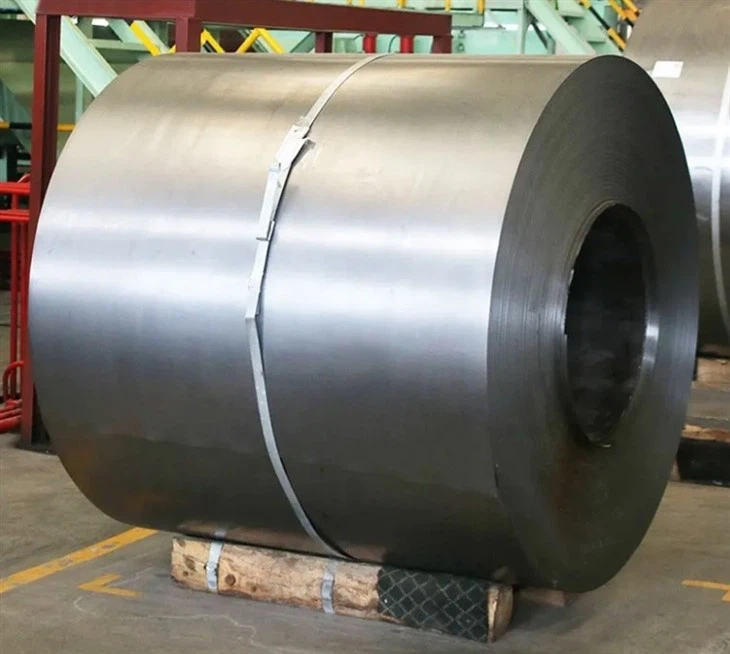
- Substrate Composition: Analyzing the carbon steel substrate can tell you about its quality. For example, the carbon content affects the strength and hardness of the steel. Too much carbon can make the steel brittle, while too little can result in low strength. Other elements like manganese, silicon, and sulfur also play important roles in the steel's properties.
- Coating Composition: The composition of the galvanized coating is also important. A high - quality coating should mainly consist of zinc, but it may also contain small amounts of other elements that can enhance its performance. You can use techniques like X - ray fluorescence (XRF) to analyze the composition of the coating without damaging the sample.
Mechanical Property Testing
The mechanical properties of the galvanized carbon steel coil are essential, especially if it's going to be used in structural applications.
- Tensile Test: A tensile test measures the strength and ductility of the coil. You take a sample from the coil and pull it in a testing machine until it breaks. The results will show you the yield strength, ultimate tensile strength, and elongation of the steel. These properties are important for determining how the coil will perform under load.
- Hardness Test: Hardness is another important mechanical property. You can use a hardness tester, such as a Rockwell or Brinell tester, to measure the hardness of the coil. A consistent hardness across the coil indicates good quality. If there are significant variations in hardness, it could be a sign of uneven heat treatment or other manufacturing issues.
Corrosion Resistance Testing
Since one of the main purposes of galvanizing is to protect the carbon steel from corrosion, testing the corrosion resistance is vital.
- Salt Spray Test: The salt spray test is a common method. You place a sample of the coil in a chamber and expose it to a salt - water mist for a specific period (usually several hours or days). After the test, you examine the sample for signs of corrosion. A high - quality galvanized coil should show minimal corrosion after the test.
- Immersion Test: Another option is the immersion test. You immerse the sample in a corrosive solution (such as a dilute acid or salt solution) for a set time. This test can give you a more realistic idea of how the coil will perform in actual corrosive environments.
Consider the Source and Reputation
In addition to the above tests, it's also important to consider the source of the galvanized carbon steel coil.
- Supplier Reputation: A reputable supplier is more likely to provide high - quality products. Look for suppliers with a good track record, positive customer reviews, and certifications. For example, ISO certifications can indicate that the supplier follows strict quality control procedures.
- Manufacturing Process: Inquire about the manufacturing process of the coil. A well - established and modern manufacturing process is more likely to produce high - quality coils. For instance, advanced galvanizing techniques can result in a more uniform and durable coating.
If you're in the market for high - quality carbon steel coils, we've got you covered. We offer a wide range of products, including Hot Rolled Steel Sheet In Coil, Hr Cr Coils, and Cr Sheet Coil. Our coils are manufactured using the latest technology and undergo strict quality control measures to ensure they meet the highest standards.
If you're interested in learning more or making a purchase, don't hesitate to reach out. We're here to answer all your questions and help you find the perfect carbon steel coil for your needs. Let's start a great business relationship and get your projects off to a strong start!
References
- ASTM International. (2023). ASTM standards related to galvanized steel products.
- Corrosion Doctors. (2023). Galvanizing: Principles and processes.
- Steel Manufacturing Handbook. (2022). Various chapters on carbon steel and galvanizing.