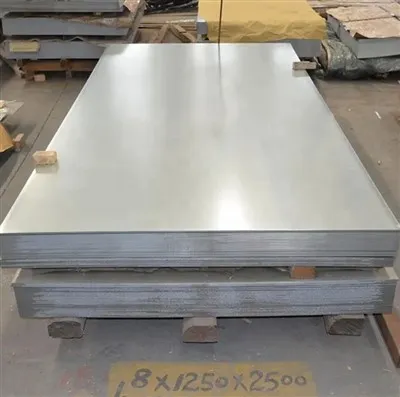
As a copper sheet supplier, I understand the critical importance of ensuring the quality of our products. Copper sheets are widely used in various industries, including construction, electronics, and manufacturing. Therefore, it's essential to have a comprehensive understanding of how to check the quality of a copper sheet. In this blog post, I'll share some key methods and considerations that can help you assess the quality of copper sheets.
Visual Inspection
The first step in checking the quality of a copper sheet is a visual inspection. This can reveal a lot about the sheet's surface condition and potential defects.
- Surface Finish: A high - quality copper sheet should have a smooth and uniform surface finish. Look for any signs of scratches, dents, or abrasions. These imperfections can not only affect the aesthetic appeal of the copper sheet but also its functionality. For example, in electronic applications, scratches can disrupt the flow of electricity.
- Color: The color of a copper sheet can provide clues about its purity and quality. Pure copper typically has a distinct reddish - brown color. If the copper sheet has a dull or uneven color, it may indicate impurities or improper processing. Discoloration can also be a sign of oxidation, which can weaken the copper over time.
- Edges and Corners: Check the edges and corners of the copper sheet. They should be straight and free from burrs or sharp edges. Irregular edges can pose a safety hazard during handling and may also cause problems during installation or further processing.
Dimension Measurement
Accurate dimensions are crucial for copper sheets, especially when they are used in precise applications.
- Thickness: Use a micrometer or a caliper to measure the thickness of the copper sheet at multiple points. The thickness should be consistent across the entire sheet. Any significant variation in thickness can lead to uneven performance, especially in applications where the sheet's strength or conductivity is critical.
- Length and Width: Measure the length and width of the copper sheet using a measuring tape or a ruler. Ensure that the dimensions match the specifications provided. Deviations from the specified dimensions can cause fitting problems during installation.
Chemical Analysis
Determining the chemical composition of a copper sheet is essential to assess its purity and quality.
- Purity: Copper sheets are available in different purity levels, such as commercial pure copper (C11000) and oxygen - free copper (C10100). A chemical analysis can determine the exact percentage of copper and other elements present in the sheet. Higher purity copper generally offers better electrical and thermal conductivity, as well as greater corrosion resistance.
- Impurities: Look for the presence of impurities such as iron, lead, or sulfur. These impurities can affect the mechanical and electrical properties of the copper sheet. For example, iron impurities can reduce the ductility of the copper, making it more prone to cracking during bending or forming.
There are several methods for chemical analysis, including spectroscopy and wet chemical analysis. Spectroscopy is a non - destructive method that can quickly and accurately determine the elemental composition of the copper sheet. Wet chemical analysis, on the other hand, involves dissolving a small sample of the copper sheet in a chemical solution and analyzing the resulting solution.
Mechanical Testing
Mechanical testing can provide valuable information about the strength and ductility of a copper sheet.
- Tensile Testing: Tensile testing involves pulling a sample of the copper sheet until it breaks. This test measures the ultimate tensile strength, yield strength, and elongation of the copper. A high - quality copper sheet should have sufficient strength to withstand the forces it will be subjected to in its intended application.
- Hardness Testing: Hardness testing measures the resistance of the copper sheet to indentation or scratching. There are several methods for hardness testing, including the Brinell, Rockwell, and Vickers methods. The hardness of a copper sheet can affect its machinability and wear resistance.
Electrical and Thermal Conductivity Testing
Since copper is widely used for its excellent electrical and thermal conductivity, testing these properties is crucial.
- Electrical Conductivity: Use a conductivity meter to measure the electrical conductivity of the copper sheet. High - quality copper sheets should have a high electrical conductivity, which is typically expressed in terms of International Annealed Copper Standard (IACS). A lower conductivity value may indicate the presence of impurities or improper processing.
- Thermal Conductivity: Thermal conductivity can be measured using a thermal conductivity meter. Good thermal conductivity is important in applications such as heat exchangers and electronic cooling systems. A copper sheet with high thermal conductivity can efficiently transfer heat, improving the performance of the overall system.
Corrosion Resistance Testing
Copper is known for its relatively good corrosion resistance, but it can still be affected by certain environmental factors.
- Salt Spray Test: The salt spray test involves exposing the copper sheet to a salt - water mist for a specified period. This test can simulate the effects of a corrosive environment, such as coastal areas or industrial settings. After the test, inspect the copper sheet for signs of corrosion, such as rust or pitting.
- Immersion Test: In an immersion test, the copper sheet is immersed in a corrosive solution for a certain period. This test can provide more accurate information about the copper sheet's resistance to specific corrosive agents.
Comparison with Standards and Specifications
Finally, compare the test results of the copper sheet with relevant industry standards and specifications. These standards, such as ASTM (American Society for Testing and Materials) standards, provide guidelines for the quality and performance of copper sheets. Ensuring that the copper sheet meets these standards can give you confidence in its quality.
In addition to these testing methods, it's also important to source copper sheets from a reliable supplier. At our company, we are committed to providing high - quality copper sheets that meet or exceed industry standards. We use advanced testing equipment and strict quality control measures to ensure the quality of our products.
If you are in the market for high - quality copper sheets, we offer a wide range of products, including Copper Metal Plate, 3 4 Refrigeration Copper Tubing, and Pure Copper Plate. Our team of experts is always ready to assist you in selecting the right copper sheet for your specific needs. Whether you are a small - scale manufacturer or a large - scale construction company, we can provide you with the best solutions at competitive prices.
If you have any questions or would like to discuss your copper sheet requirements, please feel free to reach out to us. We look forward to the opportunity to work with you and help you find the perfect copper sheet for your projects.


References
- ASTM International. "ASTM Standards for Copper and Copper Alloys." ASTM International, 2023.
- Metals Handbook: Properties and Selection: Nonferrous Alloys and Pure Metals. ASM International, 1990.
- Callister, William D., and David G. Rethwisch. Materials Science and Engineering: An Introduction. Wiley, 2016.