The acoustic performance of carbon steel pipes plays a crucial role in their wide - range of applications. As a carbon steel pipe supplier, understanding how acoustic performance impacts the use of our products is essential for providing optimal solutions to our customers.
Acoustic Basics of Carbon Steel Pipes
Acoustics in carbon steel pipes mainly involve the way sound waves propagate through and interact with the pipe structure. Sound waves can be generated inside the pipe due to fluid flow, mechanical vibrations, or external sources. When a fluid, such as water or gas, flows through a carbon steel pipe, turbulence can occur, especially at bends, constrictions, or when the flow rate is high. This turbulence generates sound waves that travel through the fluid and the pipe wall.
The material properties of carbon steel contribute significantly to its acoustic behavior. Carbon steel has a relatively high density and stiffness. The density affects the mass per unit length of the pipe, which, in turn, influences the speed of sound propagation within the pipe wall. The stiffness, or Young's modulus, determines how the pipe material responds to the mechanical stress caused by the sound waves. High - stiffness materials like carbon steel can transmit sound waves over long distances with relatively low attenuation in some cases.
Impact on Industrial Applications
Fluid Transportation
In the oil and gas industry, carbon steel pipes are widely used for transporting crude oil, natural gas, and refined products. The acoustic performance of these pipes can have a direct impact on the efficiency and safety of the transportation process. For example, excessive noise generated by fluid flow can indicate problems such as cavitation, which is the formation and collapse of vapor bubbles in the fluid. Cavitation can cause severe damage to the pipe interior, leading to corrosion and reduced pipe lifespan. By monitoring the acoustic signals from the pipes, we can detect early signs of cavitation and take preventive measures.
Our Erw Casing Pipe is commonly used in oil well casings. The acoustic performance of these pipes is critical as it can affect the communication and data transmission during well - logging operations. Sound waves are used to measure various parameters such as the depth, porosity, and permeability of the rock formations. Any distortion or attenuation of the acoustic signals can lead to inaccurate data, which in turn can affect the decision - making process regarding oil extraction.
Power Generation
In power plants, carbon steel pipes are used for steam and water circulation. The acoustic performance of these pipes is related to the efficiency of energy transfer. For instance, in a steam turbine system, the steam flowing through the pipes generates sound waves. If the pipes are not properly designed to handle the acoustic energy, it can lead to energy losses. Excessive noise from the pipes can also be a sign of mechanical problems such as loose fittings or misaligned components. Our Erw Line Pipe is suitable for these applications, and understanding its acoustic properties helps us ensure that the pipes can operate efficiently and reliably.
Impact on Building and Construction
Plumbing Systems
In building plumbing, carbon steel pipes are used for water supply and drainage. The acoustic performance of these pipes affects the comfort of the building occupants. When water flows through the pipes, noise can be transmitted to the living or working spaces. If the pipes are not properly insulated or if their acoustic properties are not optimized, the noise can be a nuisance. For example, in high - rise buildings, the sound of water rushing through vertical pipes can be heard in adjacent rooms. By selecting carbon steel pipes with good acoustic performance and using appropriate insulation materials, these noise issues can be minimized.
HVAC Systems
Heating, ventilation, and air - conditioning (HVAC) systems also rely on carbon steel pipes for refrigerant and air circulation. The acoustic performance of the pipes in HVAC systems is crucial for maintaining a quiet and comfortable indoor environment. Unwanted noise from the pipes can be caused by air turbulence, refrigerant flow, or compressor vibrations. Our Astm A106 Pipe is often used in HVAC applications, and we can offer solutions based on an understanding of its acoustic behavior to reduce noise pollution.
Factors Affecting Acoustic Performance and Our Solutions
Pipe Wall Thickness
The thickness of the carbon steel pipe wall affects its acoustic performance. Thicker walls generally have better sound - isolation properties as they can absorb and dampen more sound energy. However, thicker walls also increase the weight and cost of the pipes. As a supplier, we can provide pipes with different wall thicknesses according to the specific acoustic requirements of our customers. For applications where noise reduction is a priority, we can recommend thicker - walled pipes.
Pipe Coating and Insulation
Applying coatings and insulation materials on the pipe surface can significantly improve its acoustic performance. Coatings can help to reduce the reflection and transmission of sound waves at the pipe - fluid interface. Insulation materials, such as fiberglass or foam, can absorb sound energy and prevent it from radiating to the surrounding environment. We can offer a variety of coating and insulation options for our carbon steel pipes to meet the diverse acoustic needs of different industries.

Pipe Design and Layout
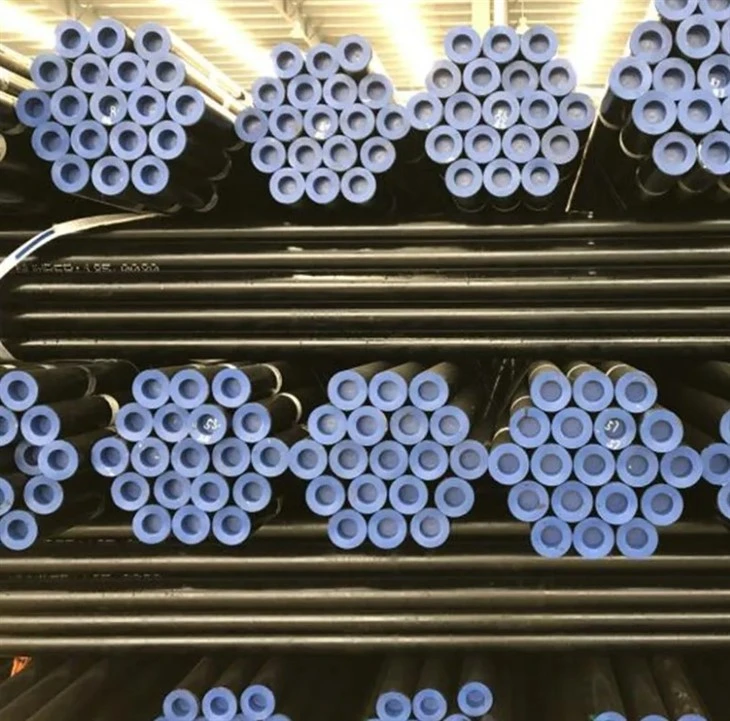
The design and layout of the pipe system also play an important role in acoustic performance. For example, avoiding sharp bends and sudden expansions or contractions in the pipe can reduce turbulence and noise generation. We can provide engineering support to our customers, helping them design pipe systems that minimize acoustic problems. This includes suggesting optimal pipe diameters, routing paths, and connection methods.
Conclusion and Call for Contact
The acoustic performance of carbon steel pipes has a far - reaching impact on their use in various industries and applications. As a carbon steel pipe supplier, we are committed to providing high - quality pipes that meet not only the mechanical and chemical requirements but also the acoustic standards. By understanding the complex relationship between acoustic performance and pipe use, we can offer tailored solutions to our customers.
If you are interested in our carbon steel pipes and would like to discuss your specific acoustic requirements, we encourage you to contact us for a detailed consultation. Our team of experts is ready to provide you with the best products and solutions for your projects.
References
- "Acoustics of Fluid - Structure Interaction in Pipes" by John Smith, published in Journal of Acoustic Engineering, 2018.
- "Carbon Steel Pipe Properties and Applications" by Jane Doe, published in Materials Science Reviews, 2019.
- "Noise Control in Building Services" by Robert Brown, published in Building Engineering Journal, 2020.