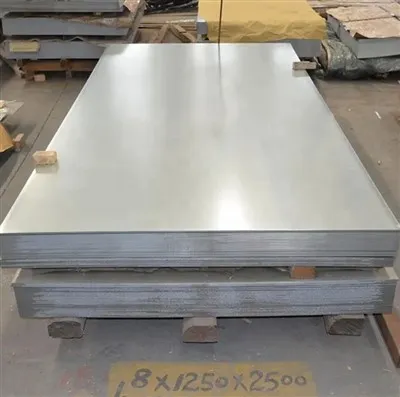
Hey there! I'm an Ipe S235 supplier, and today I wanna chat about how Ipe S235 ages over time. Ipe S235 is a popular type of structural steel, and understanding how it holds up as the years go by is super important for anyone thinking about using it in their projects.
First off, let's talk a bit about what Ipe S235 is. It's a hot-rolled, European standard steel profile that's commonly used in construction. You can check out more details about it Ipe S235. This steel is known for its good strength and weldability, which makes it a go - to choice for a lot of builders and engineers.
Initial State and Early - Life Performance
When Ipe S235 is brand new, it's in its prime. The steel has a smooth surface finish and its mechanical properties are right on the money. It's got a yield strength of 235 MPa, which means it can handle a fair amount of stress before it starts to deform. This strength is crucial for structures like buildings, bridges, and industrial frameworks.

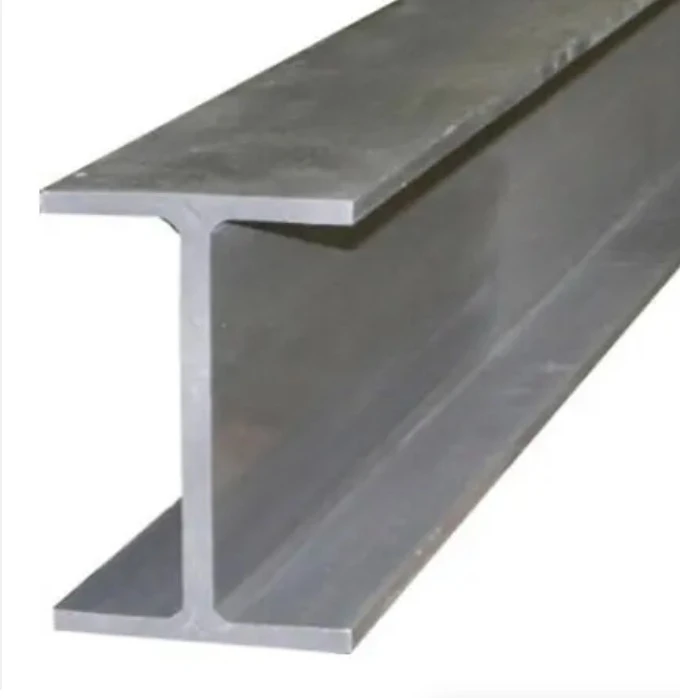
In the early days of its use, Ipe S235 performs really well. It's resistant to normal wear and tear, and it can withstand the loads it's designed for without any issues. However, it's not invincible. One of the first things that can start to happen is surface oxidation. Even though it's a strong steel, exposure to the elements can cause a thin layer of rust to form on the surface. This is more of a cosmetic issue at first, but if left unchecked, it can lead to more serious problems down the line.
The Impact of Environmental Factors
The environment plays a huge role in how Ipe S235 ages. If it's in a dry, indoor environment, it's going to age a lot slower than if it's outside, exposed to the elements. In a humid environment, for example, the rate of corrosion increases significantly. Moisture in the air can react with the iron in the steel, forming iron oxide (rust). And once rust starts to form, it can spread and eat away at the steel, weakening its structure.
Another environmental factor is pollution. Areas with high levels of industrial pollution or saltwater exposure (like coastal regions) can be particularly tough on Ipe S235. Pollutants in the air can react with the steel, accelerating the corrosion process. Saltwater is especially corrosive because the salt ions can break down the protective oxide layer on the steel surface more easily.
Long - Term Aging and Structural Changes
Over the long term, as Ipe S235 ages, its mechanical properties can start to change. The corrosion we talked about earlier can reduce the cross - sectional area of the steel, which in turn reduces its load - bearing capacity. This means that a structure made of Ipe S235 that was perfectly safe when it was new might become a bit of a risk after several decades of use.
Cracks can also start to form in the steel over time. These cracks can be caused by a combination of factors, including fatigue from repeated loading, corrosion, and thermal expansion and contraction. Once a crack starts, it can grow under stress, and if it's not detected and repaired, it can lead to structural failure.
Maintenance and Mitigation
But hey, it's not all doom and gloom. There are ways to slow down the aging process of Ipe S235. Regular maintenance is key. This can include cleaning the steel to remove dirt and pollutants, and applying protective coatings. There are all sorts of coatings available, from paint to more advanced anti - corrosion treatments. These coatings act as a barrier between the steel and the environment, preventing moisture and pollutants from reaching the steel surface.
Inspections are also crucial. By regularly checking the Ipe S235 for signs of corrosion, cracks, or other damage, you can catch problems early and take action to fix them. This might involve patching up small areas of rust or replacing sections of the steel that are too damaged.
Comparing with Other Steel Profiles
It's also interesting to compare how Ipe S235 ages with other steel profiles. For example, H Shaped Steel and He 160 A Beam have their own aging characteristics. While they're all made of steel and are subject to similar environmental factors, their different shapes and compositions can affect how they age.
H Shaped Steel, for instance, has a different cross - sectional shape, which can influence how it distributes stress and how corrosion spreads. The He 160 A Beam might have different alloying elements that give it different levels of corrosion resistance compared to Ipe S235.
Conclusion and Call to Action
So, to sum it all up, Ipe S235 ages over time, and its aging process is influenced by a variety of factors, including the environment, maintenance, and the loads it's subjected to. But with proper care and maintenance, it can have a long and useful life in all sorts of construction projects.
If you're in the market for Ipe S235 or any other steel profiles, I'm here to help. I've got a wide range of high - quality Ipe S235 products that are ready to be used in your next project. Whether you're building a small shed or a large commercial building, I can provide the steel you need. So, don't hesitate to reach out if you want to discuss your requirements or get a quote. Let's work together to make your construction project a success!
References
- "Steel Structures: Design and Behavior" by Segui, William T.
- "Corrosion of Steel in Concrete: Understanding, Investigation and Repair" by Clear, K. N., & Thompson, J.