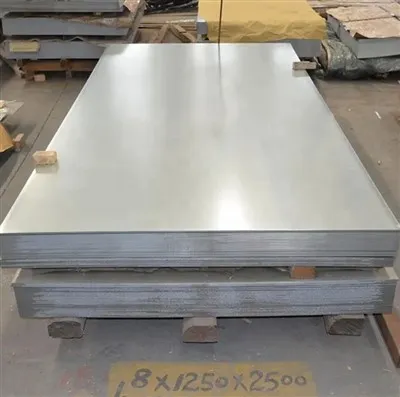
As a dedicated steel plate supplier, I've witnessed the remarkable evolution of bridge construction over the years. One question that frequently arises among engineers, architects, and construction enthusiasts is whether steel plates can be used in bridge construction. The answer is a resounding yes, and in this blog post, I'll delve into the reasons why steel plates are not only suitable but also highly advantageous for building bridges.
The Advantages of Using Steel Plates in Bridge Construction
High Strength and Durability
Steel plates are known for their exceptional strength-to-weight ratio. This property allows bridges to span longer distances without the need for excessive mass. For instance, modern suspension bridges, such as the Golden Gate Bridge, rely on high - strength steel cables and plates to support the immense weight of the roadway and withstand dynamic loads from traffic, wind, and seismic activity. The ability of steel plates to resist tension, compression, and shear forces makes them ideal for withstanding the diverse stresses that bridges encounter throughout their lifespan.
Flexibility in Design
Steel plates offer unparalleled flexibility in bridge design. They can be cut, bent, and welded into various shapes and sizes to meet the specific requirements of different bridge types. Whether it's an arch bridge, a beam bridge, or a cable - stayed bridge, steel plates can be fabricated to create complex structural components. This flexibility enables architects and engineers to push the boundaries of design and construct bridges that are both functional and aesthetically pleasing.
Cost - Effectiveness
Although the initial cost of steel plates may seem high, they offer long - term cost savings. Steel is a highly recyclable material, which reduces the environmental impact and also the cost of raw materials for future projects. Additionally, steel bridges require less maintenance compared to bridges made from other materials. They are less susceptible to corrosion when properly coated, and any damage can be easily repaired by replacing or welding steel plates. This low maintenance requirement translates into significant cost savings over the bridge's service life.
Speed of Construction
Steel plate construction can be prefabricated off - site, which greatly reduces the construction time on the bridge site. Prefabrication allows for better quality control and simultaneous work on multiple components. Once the prefabricated steel parts are transported to the site, they can be quickly assembled, minimizing disruption to traffic and nearby communities. This speed of construction is particularly beneficial for bridges that need to be built in a short time frame or in areas with high traffic volumes.
Types of Steel Plates Used in Bridge Construction
Mild Steel Ss400
Mild Steel Ss400 is a popular choice for bridge construction, especially in less demanding applications. It has good weldability and formability, making it easy to fabricate into various structural components. Mild steel Ss400 can handle moderate loads and is often used in the construction of smaller bridges or as secondary structural elements in larger bridges.
Astm A36 Carbon Steel Plate
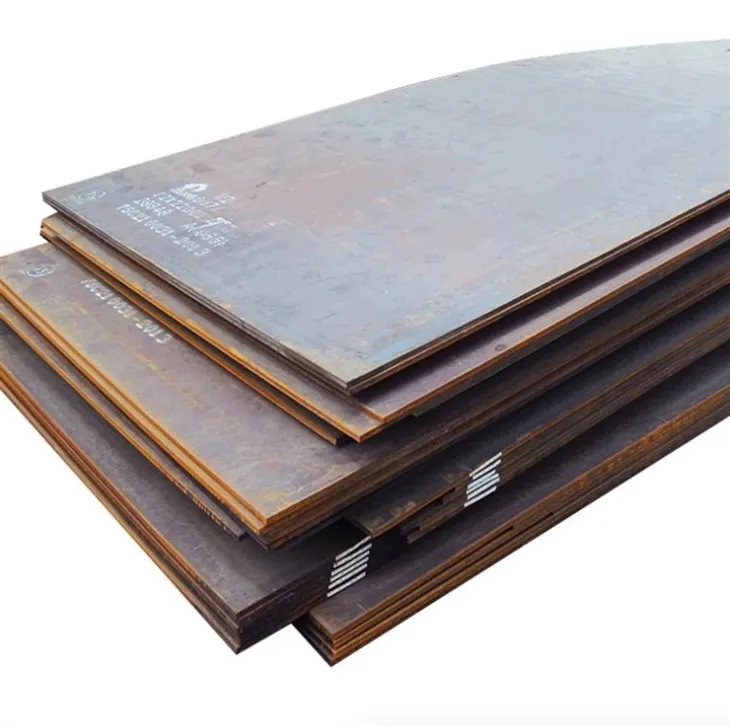
Astm A36 Carbon Steel Plate is another widely used material in bridge building. It offers a good balance of strength, ductility, and affordability. Astm A36 steel has a minimum yield strength of 36,000 psi, which makes it suitable for a wide range of bridge applications. It can be used in the construction of bridge girders, columns, and other load - bearing structures.
Astm A572 Gr 50 Plate
Astm A572 Gr 50 Plate is a high - strength, low - alloy steel plate. With a minimum yield strength of 50,000 psi, it is stronger than Astm A36 steel. Astm A572 Gr 50 plate is commonly used in the construction of long - span bridges, heavy - traffic bridges, and bridges in seismic - prone areas. Its high strength allows for the design of more efficient and lighter structures, reducing the overall weight of the bridge and the amount of materials needed.
Quality Control and Standards in Using Steel Plates for Bridges
When using steel plates in bridge construction, strict quality control measures must be followed. The manufacturing process of steel plates should adhere to international standards such as ASTM, ISO, and EN. These standards ensure that the steel plates have the required chemical composition, mechanical properties, and dimensional accuracy.
Before being used in bridge construction, steel plates are subject to a series of tests, including tensile tests, hardness tests, and ultrasonic testing. Tensile tests determine the strength and ductility of the steel, while hardness tests measure its resistance to deformation. Ultrasonic testing is used to detect internal defects such as cracks, which could compromise the integrity of the bridge.
In addition to material testing, the fabrication and installation of steel plates on bridges must also meet specific standards. Welding procedures, for example, must be carefully controlled to ensure the quality of the joints. Certified welders should perform the welding operations, and the welded joints should be inspected regularly to ensure they meet the specified strength and quality requirements.
Environmental Considerations
In today's construction industry, environmental sustainability is a crucial consideration. Steel plates are highly sustainable due to their recyclability. At the end of a bridge's service life, the steel plates can be recycled and used to make new steel products, reducing the demand for virgin materials.
Furthermore, the durability of steel bridges means that they have a longer lifespan compared to some other types of bridges. This reduces the need for frequent reconstruction, which in turn reduces the overall environmental impact associated with construction activities, including energy consumption, waste generation, and habitat disruption.
Conclusion: The Viability of Steel Plates in Bridge Construction
In conclusion, steel plates are an excellent choice for bridge construction. Their high strength, flexibility in design, cost - effectiveness, speed of construction, and environmental sustainability make them a preferred material for engineers and architects around the world. Whether it's a small local bridge or a large - scale, iconic structure, steel plates can be customized to meet the specific needs of each project.
If you're involved in a bridge construction project or are considering using steel plates for other applications, I invite you to reach out for more information. Our team of experts is ready to assist you in selecting the right steel plates and providing all the necessary technical support. We are committed to delivering high - quality steel products and ensuring the success of your projects. Contact us today to discuss your requirements and start the procurement process.

References
- "Bridge Engineering Handbook" by Wei - Bin Yang.
- "Steel Structures for Buildings and Bridges: Behavior, Design, and Codes" by Surojit Bhattacharjee.
- ASTM International Standards for Steel Plates.