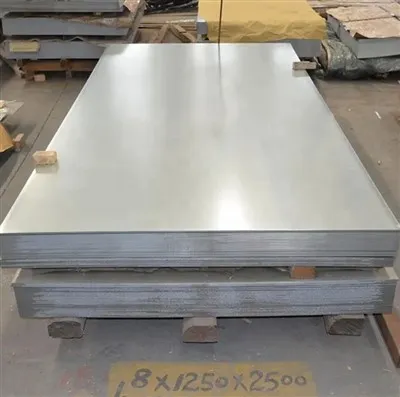
As a supplier of Ss304 Plate, I've often been asked whether Ss304 Plate can be recycled. This question isn't just a simple yes - or - no matter; it involves understanding the properties of Ss304 Plate, the recycling process, and the benefits of recycling. In this blog, I'll delve into these aspects to provide a comprehensive answer.
Understanding Ss304 Plate
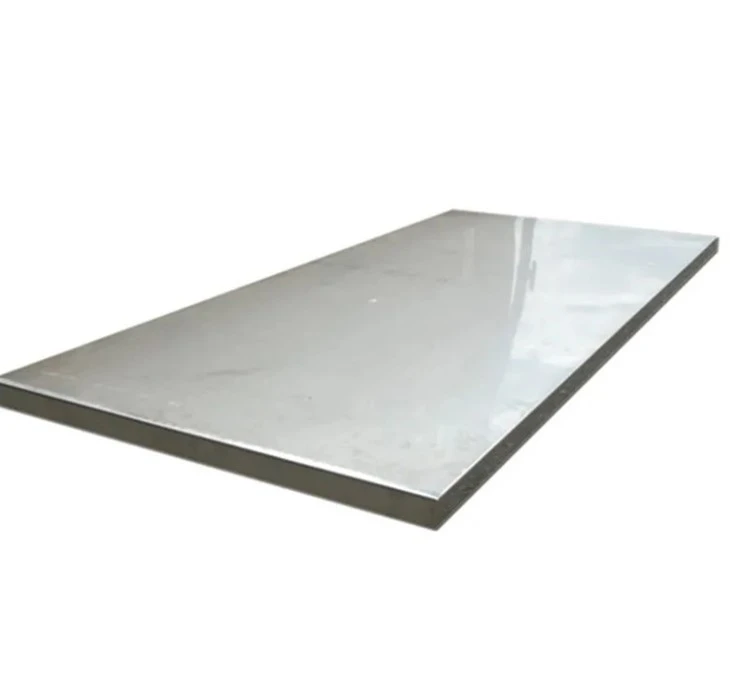
Ss304 Plate is one of the most widely used stainless - steel plates in various industries. It belongs to the austenitic stainless - steel family and contains approximately 18% chromium and 8% nickel. These alloying elements give Ss304 Plate excellent corrosion resistance, high strength, and good formability. It is commonly used in applications such as kitchen equipment, architectural structures, and automotive components. You can learn more about Ss304 Plate by visiting this link: Ss304 Plate.
The Recyclability of Ss304 Plate
The short answer is yes, Ss304 Plate can be recycled. Stainless steel, in general, is highly recyclable, and Ss304 is no exception. The recyclability of Ss304 Plate stems from its inherent properties. Unlike some materials that degrade in quality after multiple recycling cycles, stainless steel retains its chemical and physical properties even after being recycled numerous times.
When Ss304 Plate reaches the end of its useful life, it can be collected and sent to a recycling facility. At the recycling plant, the first step is to sort the stainless - steel scrap from other materials. This is crucial because different grades of stainless steel have different compositions, and sorting ensures that the recycled material meets the required quality standards.
After sorting, the Ss304 Plate scrap is melted in a furnace. The high - temperature melting process breaks down the scrap into its elemental components. The molten stainless steel is then refined to remove impurities and adjust the composition to match the specifications of new Ss304 Plate. This refined molten metal can be cast into new shapes, such as sheets, bars, or plates, and used to manufacture new products.
Benefits of Recycling Ss304 Plate
There are several significant benefits to recycling Ss304 Plate, both from an environmental and an economic perspective.
Environmental Benefits
- Conservation of Resources: Recycling Ss304 Plate reduces the need for mining and extracting new raw materials. Chromium and nickel, two key elements in Ss304 Plate, are finite resources. By recycling, we can extend the availability of these valuable metals and reduce the environmental impact associated with mining operations, such as habitat destruction and water pollution.
- Energy Savings: Producing new stainless steel from recycled materials consumes significantly less energy compared to producing it from virgin raw materials. The energy required for mining, refining, and smelting new ores is much higher than the energy needed to melt and recycle existing stainless - steel scrap. This energy savings translates into a reduction in greenhouse gas emissions, helping to mitigate climate change.
Economic Benefits
- Cost - Effectiveness: Recycling Ss304 Plate is often more cost - effective than producing new plate from scratch. The cost of raw materials, energy, and labor is lower in the recycling process. This cost advantage can be passed on to consumers, making recycled Ss304 Plate a more affordable option for various applications.
- Job Creation: The recycling industry creates jobs in collection, sorting, processing, and manufacturing. From the workers who collect the scrap to the technicians who operate the melting furnaces, recycling Ss304 Plate supports a wide range of employment opportunities at different skill levels.
Comparison with Other Stainless - Steel Grades
It's interesting to compare the recyclability of Ss304 Plate with other common stainless - steel grades, such as 303 Stainless Plate and 316 Stainless Steel Plate.
303 Stainless Plate is a free - machining grade of stainless steel that contains sulfur to improve its machinability. While it is also recyclable, the presence of sulfur can pose some challenges during the recycling process. Sulfur can cause problems in the melting and refining stages, and special techniques may be required to remove it effectively.
316 Stainless Steel Plate, on the other hand, contains molybdenum in addition to chromium and nickel. This gives it enhanced corrosion resistance, especially in chloride - rich environments. Similar to Ss304 Plate, 316 Stainless Steel Plate is highly recyclable. However, due to its different composition, it needs to be sorted and processed separately to maintain the quality of the recycled material.

Challenges in Recycling Ss304 Plate
Although Ss304 Plate is recyclable, there are some challenges associated with the recycling process.
Contamination
Contamination is one of the main challenges in recycling Ss304 Plate. The scrap may be contaminated with other materials, such as paint, grease, or non - stainless - steel metals. These contaminants need to be removed before the melting process to ensure the quality of the recycled stainless steel. Removing contaminants can be a time - consuming and costly process, especially if the contamination is widespread.
Sorting Complexity
As mentioned earlier, different grades of stainless steel need to be sorted accurately. With the wide variety of stainless - steel products in the market, sorting can be a complex task. Sometimes, it can be difficult to distinguish between different grades based on visual inspection alone. Advanced sorting technologies, such as X - ray fluorescence (XRF) analyzers, are often used to determine the composition of the scrap accurately. However, these technologies can be expensive, and not all recycling facilities have access to them.
Conclusion
In conclusion, Ss304 Plate is indeed recyclable, and recycling offers numerous environmental and economic benefits. As a supplier of Ss304 Plate, I am committed to promoting the recycling of our products. We encourage our customers to recycle their used Ss304 Plate at the end of its useful life to contribute to a more sustainable future.
If you are in the market for high - quality Ss304 Plate, whether it's new or recycled, I invite you to contact us for a detailed discussion. We can provide you with the best solutions tailored to your specific needs. Let's work together to make the most of this valuable material and build a more sustainable world.
References
- "Stainless Steel Recycling: An Overview", Stainless Steel World magazine
- "The Environmental Impact of Stainless Steel Production and Recycling", Journal of Environmental Science and Technology
- "Recycling Technologies for Stainless Steel Scrap", International Journal of Recycling of Materials