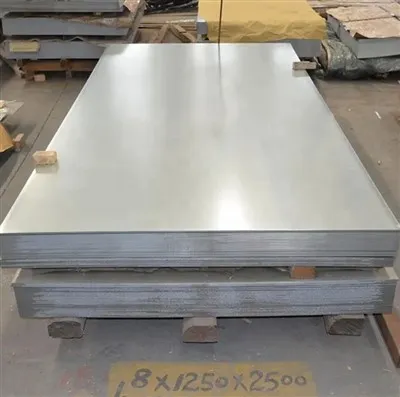
As a C purlin supplier deeply entrenched in the construction materials industry, I often encounter questions regarding the environmental impact and lifecycle of our products. One query that frequently surfaces is, "Can C purlin be recycled?" In this blog post, I'll delve into the recyclability of C purlins, exploring the process, benefits, and implications for both the environment and our business.
Understanding C Purlin
Before we discuss recyclability, it's essential to understand what C purlins are. C purlins are structural members commonly used in the construction of buildings, particularly in roofing and wall systems. They are named for their distinctive C-shaped cross - section, which provides excellent strength and load - bearing capabilities. C purlins are typically made from steel, which can be further enhanced with a galvanized coating for corrosion resistance. You can find a variety of C purlin products on our website, such as Galvanised C Section Channel, Slotted U Channel, and C Section Steel Channel.
The Recyclability of C Purlin
The short answer is yes, C purlins can be recycled. Since most C purlins are made from steel, they inherit the remarkable recyclability of this material. Steel is one of the most recycled materials in the world, and its recycling process is well - established and highly efficient.
Recycling Process
The recycling of C purlins begins with collection. At the end of their useful life in a construction project, C purlins can be removed and sent to recycling facilities. Once at the facility, the purlins are first sorted to separate them from other materials. This is crucial because the presence of non - steel contaminants can affect the quality of the recycled steel.
After sorting, the C purlins are shredded into smaller pieces. This increases the surface area of the steel, making it easier to melt. The shredded steel is then melted in a furnace at extremely high temperatures. During the melting process, impurities are removed through various chemical and physical processes. The molten steel is then cast into new shapes, such as billets, blooms, or slabs, which can be further processed into new steel products, including new C purlins.
Benefits of Recycling C Purlin
- Environmental Benefits: Recycling C purlins significantly reduces the demand for virgin steel production. The production of virgin steel from iron ore is an energy - intensive process that generates a large amount of greenhouse gas emissions. By recycling C purlins, we can conserve natural resources and reduce the environmental impact associated with steel production. For example, recycling steel saves up to 75% of the energy required to produce new steel from iron ore.
- Economic Benefits: Recycling is also economically advantageous. It reduces the cost of raw materials for steel manufacturers, which can be passed on to consumers in the form of lower - priced products. Additionally, the recycling industry creates jobs in collection, sorting, processing, and manufacturing.
- Sustainability in Construction: For the construction industry, using recycled C purlins promotes sustainable building practices. It allows builders to meet environmental standards and certifications, such as LEED (Leadership in Energy and Environmental Design), which can enhance the marketability of their projects.
Challenges in Recycling C Purlin
While the recyclability of C purlins is clear, there are some challenges that need to be addressed.
Contamination
As mentioned earlier, the presence of non - steel contaminants can pose a problem. C purlins may be coated with paints, adhesives, or other materials during their use in construction. These contaminants need to be removed before the recycling process to ensure the quality of the recycled steel. In some cases, the removal of these contaminants can be time - consuming and costly.
Logistics
The collection and transportation of used C purlins to recycling facilities can also be a challenge. Construction sites are often spread out, and coordinating the collection of purlins can be difficult. Additionally, the transportation of heavy steel purlins over long distances can increase the carbon footprint associated with the recycling process.
Our Role as a C Purlin Supplier
As a C purlin supplier, we play a crucial role in promoting the recycling of our products.
Product Design
We can design our C purlins to be more easily recyclable. For example, we can use coatings and adhesives that are easier to remove during the recycling process. We can also provide clear instructions on how to disassemble and prepare the purlins for recycling.


Education and Awareness
We are committed to educating our customers about the recyclability of C purlins. By raising awareness, we can encourage our customers to choose recycling as a responsible end - of - life option for our products. We can also provide information on local recycling facilities and collection services.
Recycling Initiatives
We are exploring partnerships with recycling facilities to ensure that our used C purlins are recycled in an efficient and environmentally friendly manner. By working together, we can streamline the recycling process and reduce the associated costs and challenges.
Conclusion
In conclusion, C purlins can and should be recycled. Their recyclability offers significant environmental, economic, and social benefits. As a C purlin supplier, we are dedicated to promoting the recycling of our products and contributing to a more sustainable construction industry.
If you are involved in a construction project and are considering the use of C purlins, I encourage you to think about the end - of - life of these products. By choosing to use and recycle C purlins, you can make a positive impact on the environment. And if you are in the market for high - quality C purlins, please feel free to contact us for procurement discussions. We are here to provide you with the best products and services to meet your construction needs.
References
- American Iron and Steel Institute. (n.d.). Steel Recycling. Retrieved from various industry reports on steel recycling.
- World Steel Association. (n.d.). Sustainability in the Steel Industry. Compiled from annual reports and research on the steel industry's environmental impact.